
Magazine-Style Cookbooks That Don’t Look Like AI Garbage
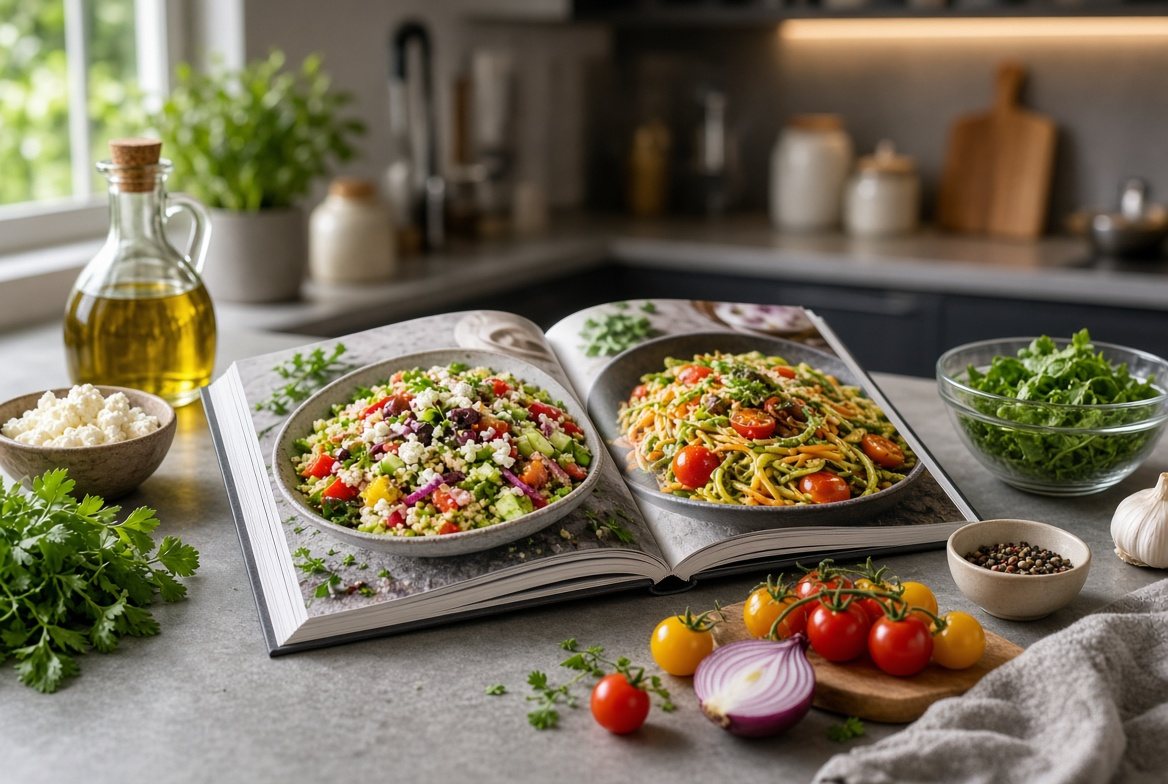
Most AI cookbooks are a wall of text with a stock photo of pasta.
That’s why they sell poorly and feel embarrassing to put your name on.
The ones that actually work in 2026 look like they belong on a coffee table or in a kitchen. Real magazine-style recipe pages. Food photography that matches the recipe. Clean layout. Units you can switch. The kind of book someone might actually gift or leave open on the counter.
I’ve watched people on X share that they took family recipes or a niche — healthy weeknight meals, regional specialties, one-ingredient focus — and turned them into proper illustrated cookbooks. One author talked about spending serious money on OpenAI images specifically because the visual quality was the difference between “another AI book” and something that looked intentional.
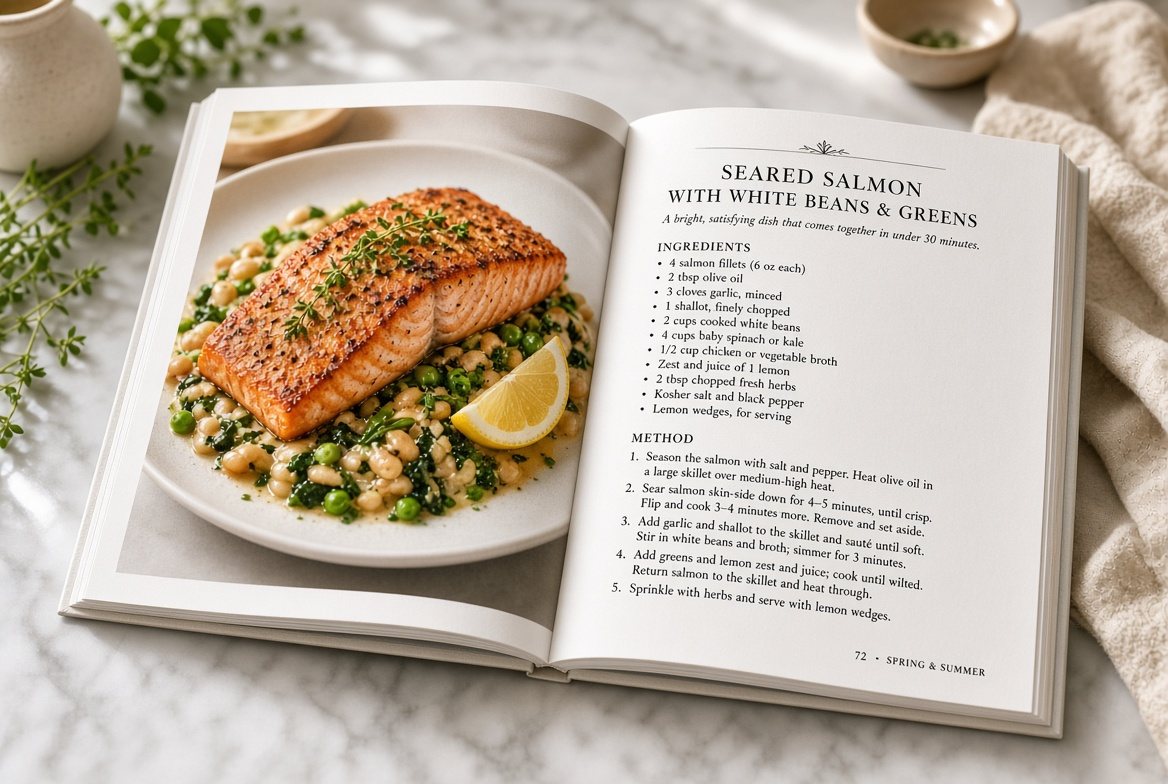
BookMasher’s cookbook module is one of the ten it ships with. It doesn’t just spit out ingredients and steps. It builds magazine-inspired pages with pro-grade food images generated to match. You can bring your own photos if you want. Style and units menu is there. Front and back covers are handled. Export is KDP-ready.
The practical result is simple. You can take a topic — “30-minute Mediterranean dinners” or “grandma’s Texas baking” — and walk away with a book that looks like it cost a design team money. Then you add the personal stories: why this recipe matters, the first time you made it, the person who taught you. That’s the 15 percent that makes the other 85 percent feel human.
People don’t buy cookbooks for the ingredient list alone. They buy the feeling of competence and the memory of good meals. A tool that already understands magazine layout gets you to that feeling faster.